November 14, 2026
A question we hear more as the weather turns: does a boarding stay change once it's genuinely cold out? It's a fair worry — nobody wants to picture their dog shivering by a door, or cooped up indoors all day because the yard isn't an option anymore. The honest answer is that winter changes the pacing of a day more than it changes what's actually available.
What cold weather changes, generally
- Short-coated and small dogs feel cold sooner than a thick double-coated breed, so they need more layering or shorter stretches outside at a time
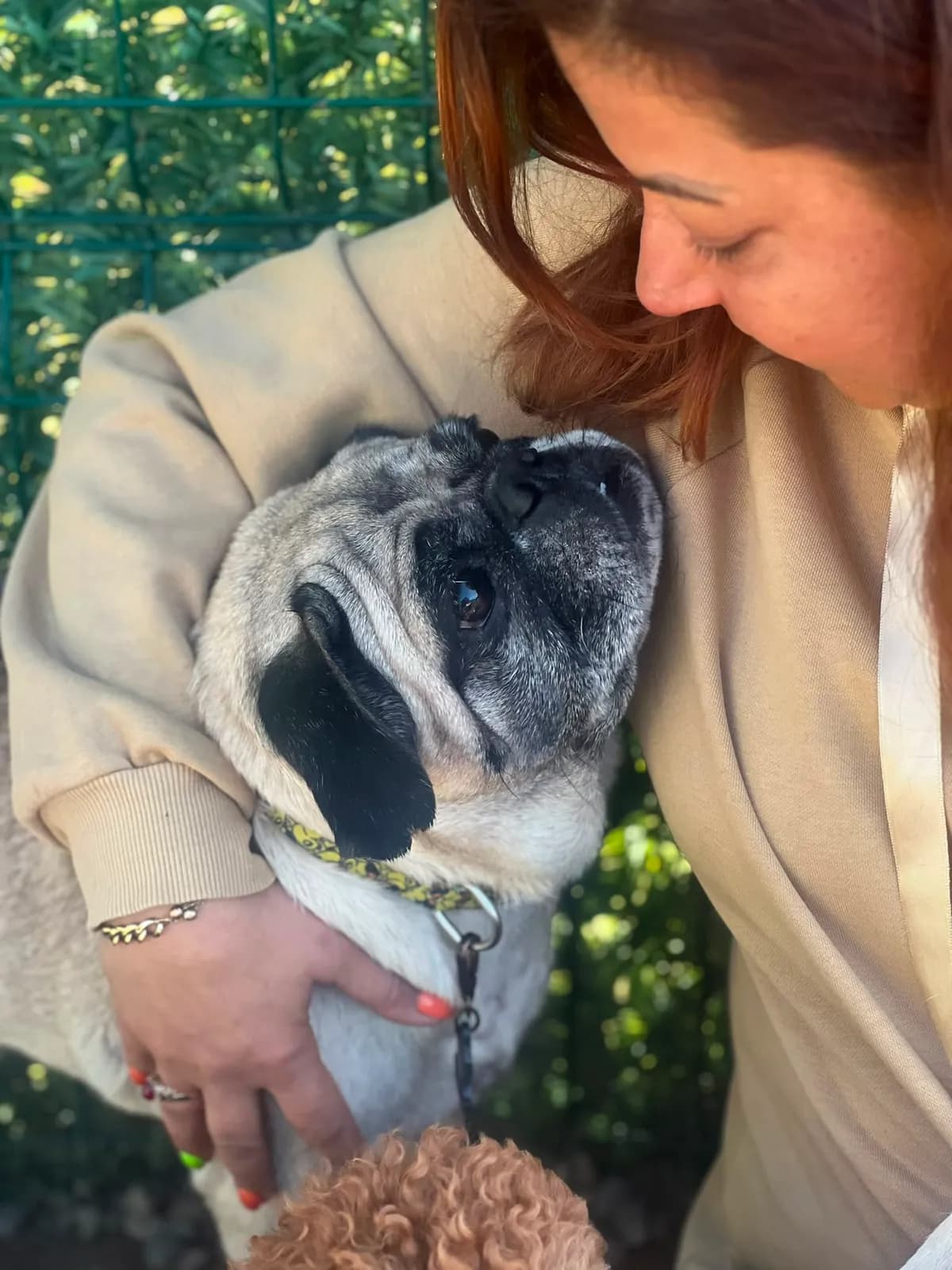
- Older dogs with stiff joints often feel cold weather in their mobility before anything else — slower to get up, a little more cautious on their feet
- Snow and slush mean wet paws and a wet coat need drying before settling back in somewhere warm
- Water left outside can go cold fast, which matters more for dogs who drink less in winter anyway
What stays the same here
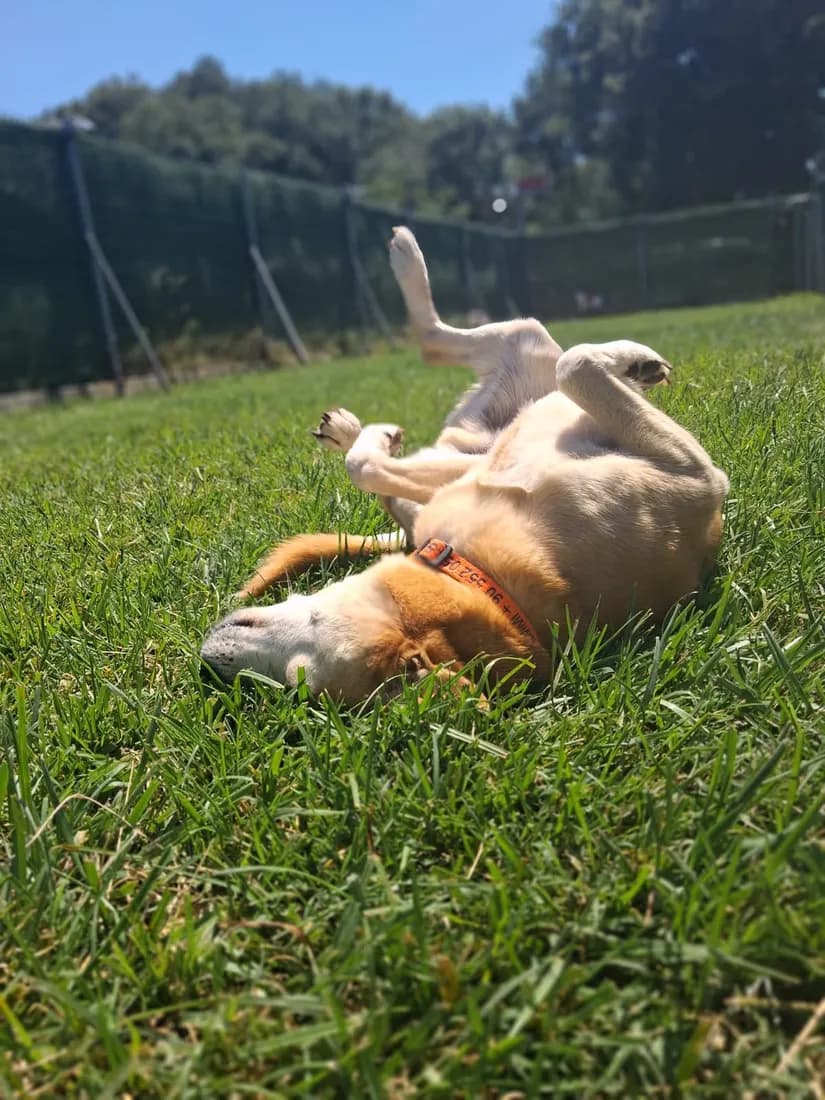
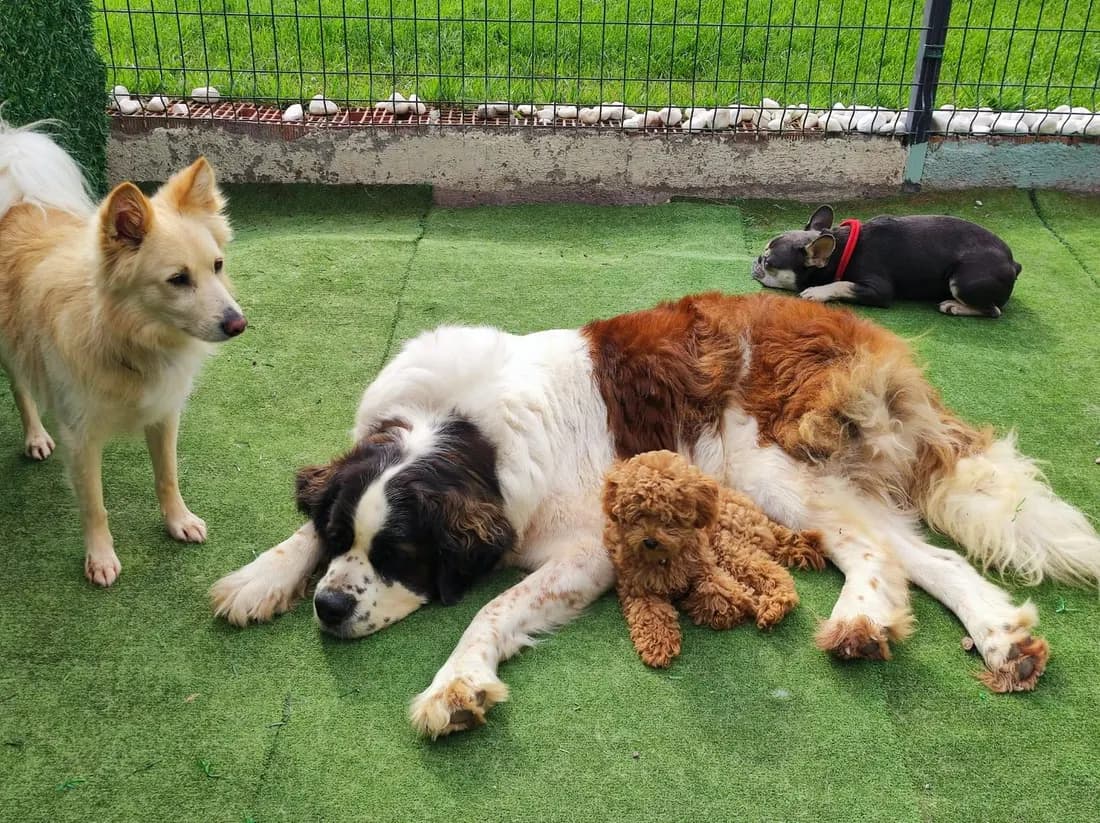
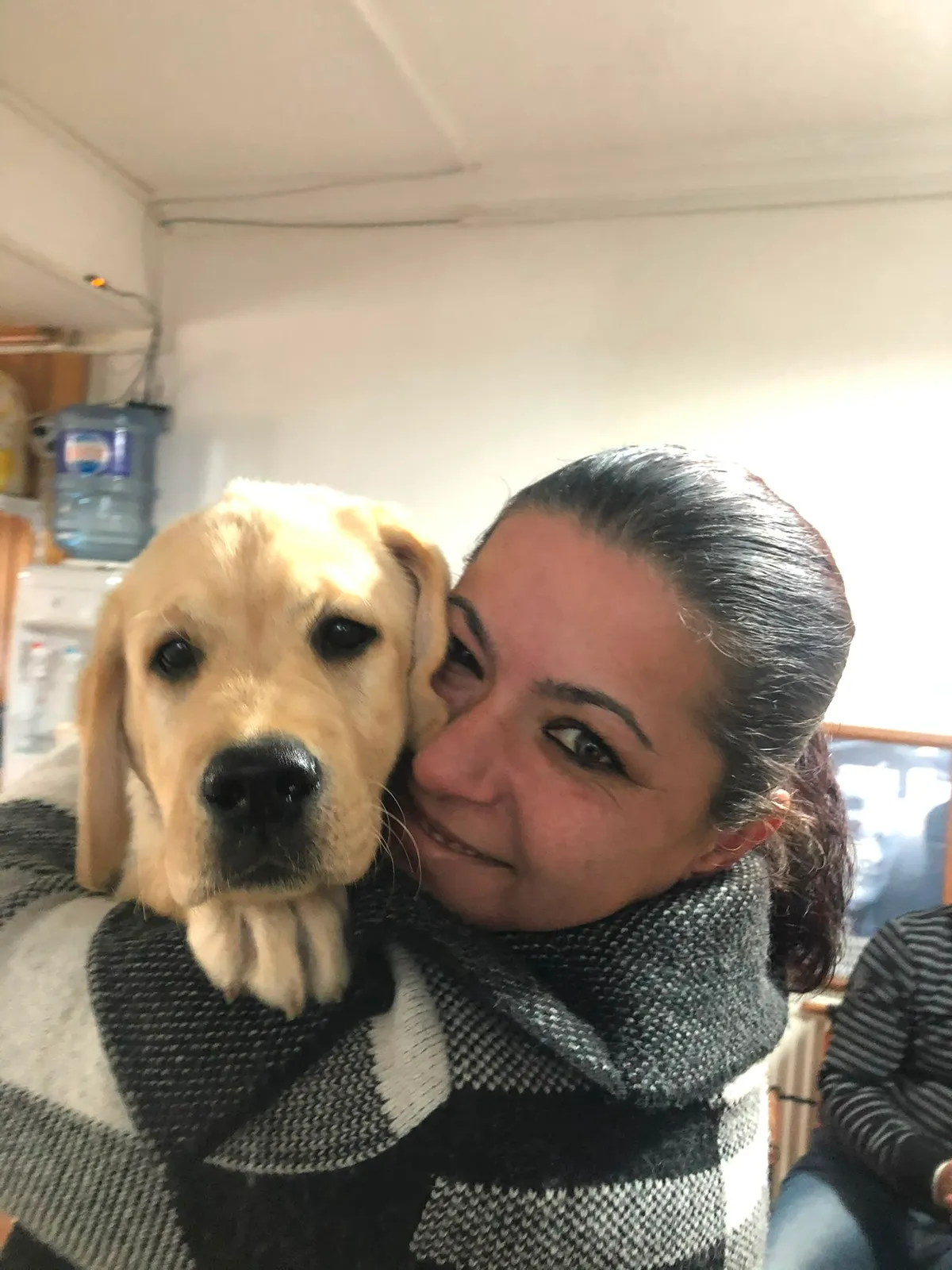
Every dog at PatiLee stays in a large, insulated private suite — cool in summer, warm in winter — so the suite itself isn't the part that changes with the season. Several supervised garden breaks are still built into every day, and yard time is still unlimited rather than rationed down to one quick dash when it's cold; what shifts is pacing, with breaks spread through the day instead of one long outing. Seniors and puppies tend to notice the season most — a senior's joints appreciate a warm place to rest between breaks, and a puppy meeting snow for the first time is usually more curious than cold-averse. Either way, staff on site around the clock and camera-monitored care means someone's actually there to read how a particular dog is handling the weather that day, rather than guessing from a forecast.
Planning a stay this winter? Read more about our dog boarding, see how we think about older dogs specifically in our senior dog boarding guide, or get in touch and we'll talk through what your dog needs this season.